
Whitelabel Reporting: Turning Ad Intelligence Into Revenue for Your Agency
See how agencies use whitelabel reporting to price ad intelligence add-ons, improve client touchpoints, and build recurring revenue without extra head
Chris Edington
13 min read
Whitelabel Reporting for Agencies: Turning Ad Intelligence Into Revenue
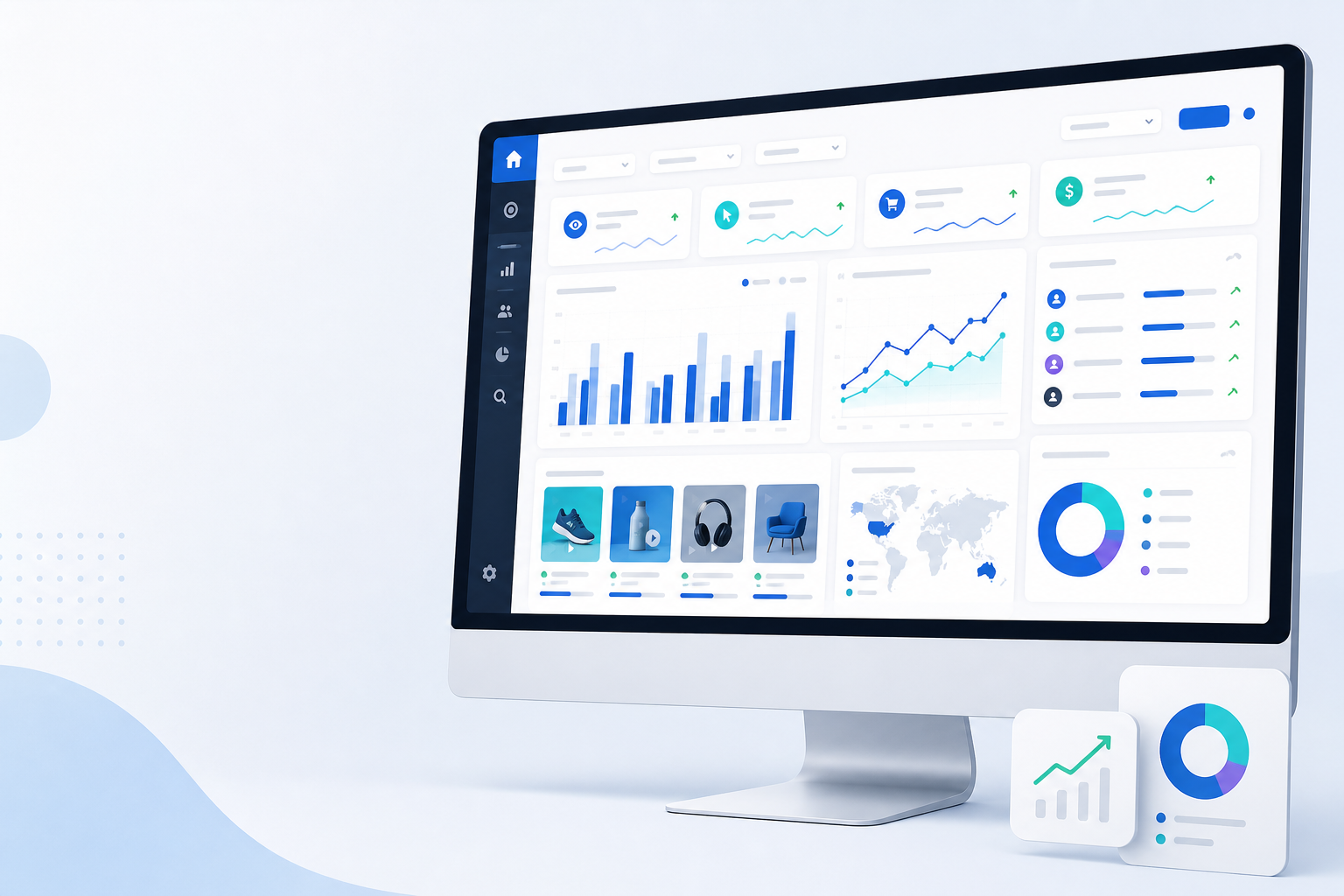
Whitelabel reporting can turn competitive ad intelligence from a cost you quietly absorb into a service line you actually charge for. Instead of paying for a monitoring tool and filing it under "overheads," agencies using platforms like Rival Ads can rebrand weekly competitor ad reports as their own, sell them as a paid add-on, and use them as a recurring touchpoint with clients. The setup is genuinely fast (no ad account access required, just a competitor's website), but I want to be upfront: the pricing figures below are illustrative examples, not guaranteed outcomes, and the retention benefits are a hypothesis worth testing, not a proven formula.
This is the core appeal of agency ad intelligence: you can package the monitoring, interpretation, and delivery as a repeatable service instead of treating research as unpaid account-management work. The commercial model is straightforward—set an add-on price, define what each reporting tier includes, and measure whether clients renew it—without pretending that every report automatically creates revenue.
If you're running a UK agency and you've felt like ad intelligence was something you should be offering but never had the bandwidth to build properly, this is worth ten minutes of your time. I want to walk through how whitelabel reporting actually works, what it realistically does for client relationships, and the pricing math, including the costs nobody talks about, so you can decide if it's worth adding to your service stack.
Why branded reports build more trust than generic ones
Here's something every agency owner learns eventually: clients pay for expertise, not tools. They're not paying you because you have access to software they could technically sign up for themselves. They're paying because you interpret the data, spot the patterns, and tell them what to do about it. So when a report lands in a client's inbox with someone else's logo on it, it can undermine the exact thing they're paying for.
I've seen this play out. An account manager forwards a generic PDF export, and within days the client is asking, "Why don't we just buy this ourselves?" That's a fair question, and not one you want to be fielding when you're trying to justify a retainer increase.
To be clear, branding alone doesn't create expertise. A logo on a PDF doesn't make the insight inside any smarter. What branding does is remove a distraction. It stops the client from mentally filing the report as "a tool we're paying a markup on" and lets them focus on what you're actually adding: the interpretation, the "here's what this means for you" layer that a raw export never provides.
This is where whitelabel reporting earns its keep. With Rival Ads, your branding carries across the dashboard, PDF exports, and weekly email digests: your logo, your colours, and, if you want, your own custom domain. The report looks like it came from your agency, which sets up the conversation for you to demonstrate real strategic value on top of it, rather than spending the first five minutes explaining why you're forwarding someone else's software output.
Here's a concrete version of this: say a client runs a mid-market skincare brand. Instead of forwarding a generic export showing "Competitor X launched 3 new ads this week," your branded weekly digest arrives with your commentary layered in: "Competitor X shifted spend towards video creative featuring user testimonials, worth testing something similar in your Q3 campaign." Same underlying data, completely different perceived value.

The revenue math behind a reporting add-on
Let's talk numbers, because "builds trust" doesn't pay salaries. What does whitelabel ad intelligence actually do for your bottom line once you account for what it costs to run?
Some agencies position competitive intelligence reporting as a premium add-on, and anecdotally, monthly pricing in the £300–£800 range shows up in agency pricing conversations, depending on how many competitors are tracked and how much strategic commentary is layered on top. Treat this as a positioning range rather than a benchmark. Your market, client size, and existing retainer structure will all shift what's realistic. Rival Ads plans start at $29/month per competitor tier, which at current exchange rates is roughly £23–£25/month before VAT, though check live pricing before you build a proposal around it.
A practical way to sell the add-on is to create clear tiers rather than quoting every client from scratch. For example, an entry tier might include one competitor, a weekly branded digest, and key changes; a higher tier could cover more competitors, a monthly strategy call, and deeper creative recommendations. The point is not to make the software look expensive—it is to make the scope, account-management time, and strategic input visible enough that the price is defensible.
Here's a worked example with the actual cost side included, using a mid-point £400/month client price and a single-competitor tracking tier as the baseline assumption:
| Clients | Client Revenue (£400/mo) | Software Cost (~£25/mo/client) | Est. Account Management Time (1hr/client/mo @ £30/hr) | Gross Contribution Margin |
|---|---|---|---|---|
| 10 | £4,000 | £250 | £300 | £3,450 |
| 20 | £8,000 | £500 | £600 | £6,900 |
| 50 | £20,000 | £1,250 | £1,500 | £17,250 |
A few caveats on this table: it assumes one competitor tracked per client, doesn't include VAT you'd charge on top of client invoices, and assumes minimal manual commentary time beyond what the AI analysis generates. If your account managers spend more than an hour a month reviewing and personalising each report, adjust the labour line. For agencies adding heavier strategic commentary, two to three hours per client per month isn't unusual.
The upside still holds once you factor in realistic costs. You're increasing retainer value without increasing headcount, because you're not hiring an analyst to manually screenshot competitor ad libraries every Friday. You're layering a service on top of infrastructure that already exists, and the margin, while not the full sticker price, stays meaningfully positive at every scale in the table above.
One more honest point: this only works as recurring revenue if clients actually renew the add-on alongside their retainer. There's no guarantee of that, which is exactly why the value delivered each week needs to earn its place rather than just show up on autopilot.
What clients notice in a whitelabel ad intelligence report
Pricing math is only useful if clients actually find the reports valuable enough to keep paying for. So what makes a competitive intelligence report worth £400 a month rather than something a client skims once and ignores?
A client-facing report should make three things easy to see: what changed, why the change may matter, and what the client could do next. That can turn a data feed into a useful planning input—for example, a creative test to consider, an offer to review, or a competitor claim that needs a response. It also gives the account team a concrete reason to discuss the report during a QBR rather than treating delivery as the end of the service.
A quick but important caveat first: platforms like Rival Ads detect observed competitor ad activity, meaning what's publicly visible across ad libraries on Meta, Google Ads, TikTok, and LinkedIn. That's not the same as proving actual spend, verified performance, or confirmed strategic intent. A competitor running the same creative for three weeks might mean it's converting well, or it might mean nobody on their team has got around to refreshing it. Good reporting flags the pattern and offers an interpretation. It shouldn't claim certainty it doesn't have.
With that framing, here's what tends to make these reports genuinely useful:
- Week-over-week diffs. Clients want to know what's new, what's been paused, and what's appearing repeatedly or showing increased visible activity, not a static snapshot that could be from any point in the last six months.
- Real creative examples and exact ad copy. Vague summaries like "competitor increased video content" don't cut it. Clients want to see the actual ad, read the actual headline, click the actual link.
- AI-generated analysis that adds interpretation, not just data. Rival Ads' Claude-powered analysis flags what a shift in creative strategy or a sudden increase in visible ad volume might mean for the client's category, framed as an informed read of public signals rather than a verdict on competitor strategy.
- Clear, jargon-free takeaways. Clients want to open a report and understand what changed and why it might matter, without needing a call to translate it afterwards.
- Consistency. Clients notice, and appreciate, when reports show up reliably every week rather than sporadic manual updates that happen "when someone gets time to pull it together."
That last point matters more than agencies tend to give it credit for. A report that arrives like clockwork every Monday morning becomes part of a client's routine. Miss it once, and you'll likely hear about it, which is actually a decent sign that it's become something they rely on rather than merely tolerate.
Reducing churn with proactive insights
Here's a pattern I think most agency owners will recognise: clients rarely churn the month after a big win. They tend to leave quietly, months later, usually after a stretch of feeling forgotten or out of the loop, even if the actual work being delivered was perfectly fine.
I want to be careful with the claim here, because it's one of the easiest to overstate: a weekly report is a plausible retention mechanism, not a proven churn-reduction strategy. I don't have controlled data showing that adding whitelabel reporting reduces churn by some specific percentage, and you should be sceptical of anyone who claims otherwise without evidence. What I can say is that it creates a specific kind of value worth testing.
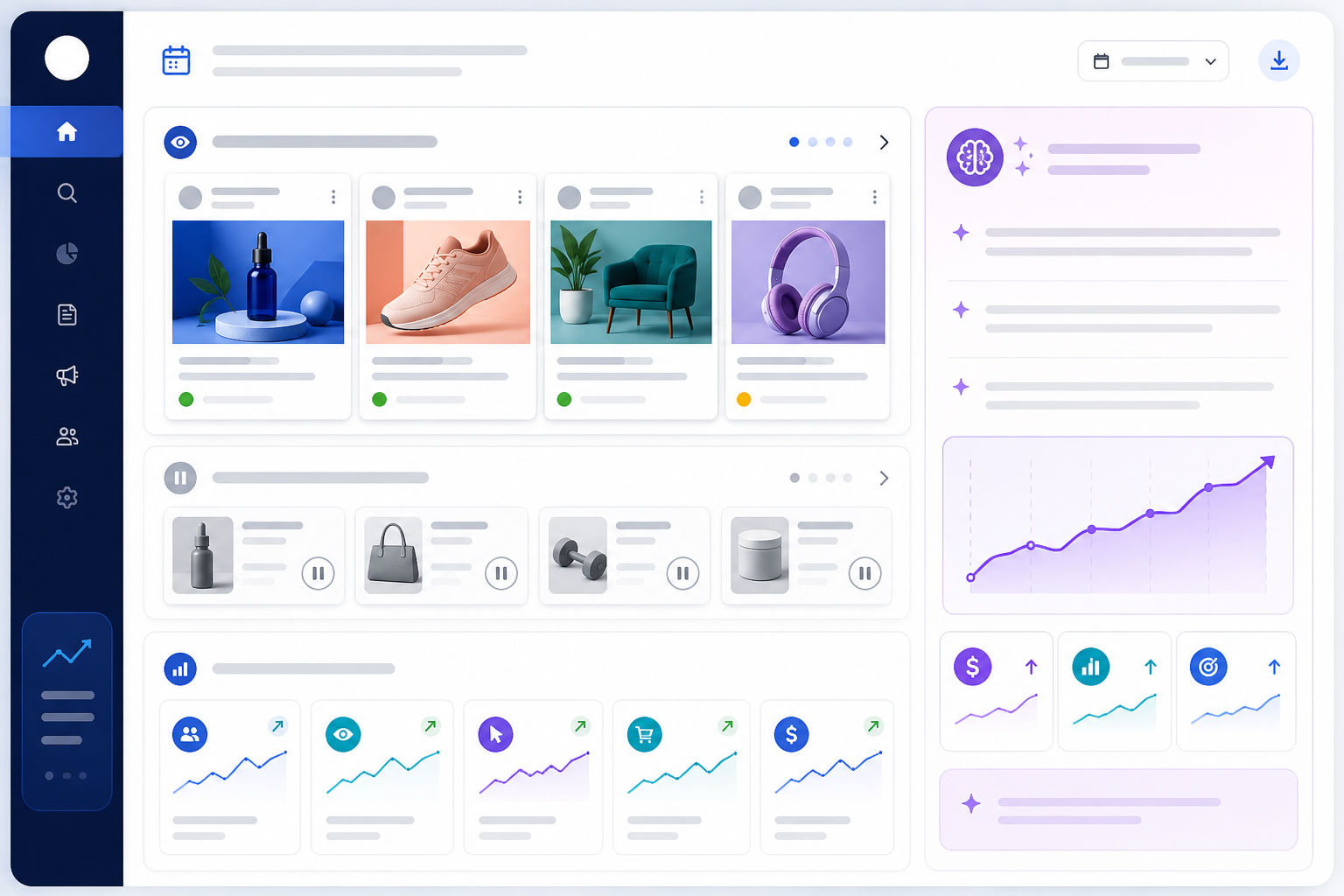
Think about what a weekly digest actually gives you: a natural, recurring touchpoint with every client that doesn't depend on someone remembering to send a "just checking in" email. It happens automatically, whether your account managers are swamped or not. There's a real scenario where catching a competitor's new campaign launch before the client spots it themselves adds visible value. "We noticed X launched a new offer targeting your core audience, here's what we think it means" lands better than a generic status update.
If you want to actually test whether this moves the needle for your agency, treat it as a 90-day pilot rather than an assumption. Track:
- Report open rates and which sections clients engage with
- Whether reports come up unprompted in renewal or QBR conversations
- Add-on renewal rate specifically, separate from overall retainer renewal
- Direct client feedback on whether the reports changed how they perceive your agency's strategic value
Reporting also isn't a substitute for good account management or strong campaign performance. It's additive at best. A client unhappy with results elsewhere in the relationship won't stay because of a weekly PDF, however well-branded. Treat this as one input into retention, not the fix for it.
Setting up whitelabel reporting in days, not months
I know what a lot of agency owners are thinking: "This sounds great, but I don't have three months to onboard a new tool and figure out integrations." Fair concern, except that's not really how this works, though it's worth being precise about what "fast" actually means here.
Because Rival Ads doesn't require ad account connections, there's no lengthy onboarding, no API approvals, and no chasing clients for login credentials. You need a competitor's website URL. Here's the distinction worth making: account and branding setup can happen in under a day, but the first meaningful week-over-week report, the one showing actual changes rather than just an initial snapshot, naturally depends on the weekly data collection cycle completing at least once.
Here's what setup looks like in practice:
- Sign up and enable whitelabel branding. Add your agency's logo, colours, and, if you want the full effect, a custom domain.
- Add your client's competitors by website URL. No logins, no ad account access, no waiting on permissions.
- Let Rival Ads detect competitor ad presence automatically. The platform scans for publicly visible competitor activity across Meta, Google Ads, TikTok, and LinkedIn. This is observed presence, not verified spend or performance data.
- Assign team members and competitors using role-based collaboration. Account managers can own specific clients' reports as your offering scales.
- Let the platform fetch active ads weekly and generate AI analysis. This runs automatically in the background.
- Send the first branded digest once the initial weekly cycle completes. The dashboard and branding are live from day one; the first proper week-over-week comparison typically lands within the first week.
That timeline still matters a lot compared to building something in-house. It means you can pitch this in a renewal conversation this month and have branding live immediately, with real comparative insight following within days, not a "we'll have this ready in Q3" situation.

Frequently asked questions about whitelabel reporting
Can agencies whitelabel competitive ad reports?
Yes. Rival Ads lets agencies rebrand the dashboard, PDF exports, and weekly email digests with their own logo, colours, and domain. Clients see your branding throughout, though it's worth being transparent internally that the underlying detection and analysis technology is licensed, not built in-house. The value you're adding is the interpretation and strategic layer on top.
How much extra revenue can whitelabel reporting generate?
It depends heavily on your client base, pricing, and how many competitors each client tracks. Agencies sometimes position competitive intelligence as a £300–£800/month add-on, but treat that as an illustrative range rather than a guarantee. Once you factor in software costs and account management time, contribution margin will be meaningfully lower than gross revenue, so budget accordingly rather than assuming the full sticker price is profit.
What should be included in a client-facing ad intelligence report?
At minimum: what competitors launched this week, what they paused, which creatives are appearing repeatedly, and a plain-English interpretation of what it might mean. Be clear with clients that this reflects observed public ad activity, not confirmed spend or performance data. Setting that expectation upfront avoids awkward conversations later.
Do I need my own team to analyse the data before sending it to clients?
Rival Ads generates AI-powered analysis automatically, but I'd recommend having someone on your team review it before it goes out, at least initially. AI-generated commentary is a strong starting point, not a guaranteed substitute for a human sanity check on tone and accuracy for your specific client.
How long does it take to set up whitelabel reporting for a new client?
Branding and account setup can be live within a day. The first genuinely useful week-over-week report, showing real changes rather than a single snapshot, typically follows once the platform completes its first weekly detection cycle, so budget for the first week as a baseline period rather than expecting full insight on day one.
Does competitor ad monitoring reveal actual ad spend or performance?
No, and this is worth being upfront about with clients. Tools like Rival Ads detect publicly visible ad activity: what's live, what's new, what's been paused. They don't have access to a competitor's actual spend figures, conversion data, or internal performance metrics. The value is in spotting patterns and creative shifts, not in claiming precise competitive intelligence on results.
If you're considering adding a competitive intelligence layer to your service stack, here's a realistic starting point: pick two or three retainer clients you think would value it, run whitelabel reporting for 90 days at a modest add-on price, and actually track whether it shows up in renewal conversations or client feedback. Don't build your financial projections around the top of the £300–£800 range or assume churn reduction you haven't measured yourself. Start small, track the numbers honestly, and scale the pricing and client count once you've got real data from your own book of business, not just a worked example in a blog post.