
Whitelabel vs In-House: The Real Cost of Building an Ad Tracking Tool for Your Agency
Whitelabel vs in-house competitor ad tracking for UK agencies: compare costs, launch times and ROI to find the smarter way to monitor rival ads today.
Chris Edington
14 min read
Whitelabel vs In-House: What Costs Less for UK Agencies Tracking Competitor Ads?
If you've ever had a client ask, “What are our competitors doing on Facebook ads right now?” and thought, “Maybe we should build something for this ourselves,” I understand the instinct.
Here’s the answer up front: building an in-house competitor ad tracking tool typically costs £15,000–£40,000+ in developer time, plus ongoing maintenance to keep up with Meta’s Ad Library, Google’s Ads Transparency Center, and TikTok and LinkedIn data challenges.
A whitelabel ad intelligence platform, by contrast, can provide comparable—though not identical—monitoring capability under your agency’s own brand within a few days. Pricing for tools like this typically starts at around $29 per month, or roughly £23 depending on the exchange rate and whether VAT applies to your billing.
For most agencies—unless competitive intelligence software is genuinely becoming your core product—buying wins on cost and speed. Building wins on control and ownership, which matters more for some agencies than others.
These figures are indicative, not universal. They assume a four-platform monitoring MVP covering Meta, Google, TikTok and LinkedIn, with a basic dashboard, weekly creative archiving and some quality assurance. The work could be completed internally or by a UK contractor at typical agency day rates. Your costs will vary, but the comparison is useful because the maths is often more lopsided than agency owners realise.
Why Agencies Consider Building an In-House Ad Tracking Tool
There is an understandable appeal to owning your entire technology stack: no vendor dependency, no monthly subscription, full control over the data and complete freedom to customise the user interface. If you already have a developer on staff, the marginal cost of “just adding a feature” can appear low.
There is also a clear commercial driver. Clients increasingly ask for competitor ad reports, and agencies want to turn that demand into a repeatable, sellable service rather than relying on manual screenshots every month.
Then there is the assumption that often causes problems: “Surely pulling ads from the Meta Ad Library is just an API call away?” It is not quite that simple.
Meta has rate limits and regional quirks. Google’s Ads Transparency Center does not expose a clean public API for bulk fetching. TikTok and LinkedIn have their own data structures, and none of these platforms were built specifically for third-party competitor ad monitoring tools.
What looks like a weekend project can become a complex, multi-platform engineering challenge.
When Building Competitor Monitoring In-House Can Make Sense
Building in-house is not irrational for every agency. It may be appropriate if you have:
- Very specific data requirements that a generic platform cannot meet
- Strict internal data residency or security policies
- A large in-house development team with spare capacity
- Plans to resell the monitoring technology as a standalone product
- A need for deep integrations with proprietary reporting or campaign systems
If none of these apply, a whitelabel platform is likely to offer a faster and more cost-effective route.
The Hidden Costs of Building an In-House Competitor Ad Tracking Tool
The cost of a developer’s day rate is only the starting point. A reliable competitor ad monitoring system also requires data collection, comparison logic, storage, maintenance and quality assurance.
One-Off In-House Development Costs
- Four separate data collection systems. Meta, Google Ads, TikTok and LinkedIn each have different structures, authentication requirements and rate limits. You are not building one scraper; you are building four distinct mini-projects.
- A system for tracking week-over-week changes. Raw ad data is not enough. Clients want to know what is new, what has been paused and which creative is becoming more prominent. Building this comparison logic adds another development project.
- An AI analysis layer. Sending a client a spreadsheet of competitor creative is not the same as identifying a meaningful shift in their creative strategy. Moving from raw data to useful insight requires either an AI system or a third-party analysis tool.
Ongoing Operating and Maintenance Costs
- Maintenance when advertising platforms change. This can happen without warning. A data collection process that worked one week may fail the next because a platform has changed its page structure or access rules. Clients may not report that the data is incomplete; they may simply assume the tool is unreliable.
- Hosting and storage for creative archives. Weekly snapshots of ad images, video and copy can create significant storage requirements, especially when monitoring multiple competitors across several clients.
- Quality assurance and reliability engineering. A dashboard showing stale or missing data can quickly damage client trust. Someone needs to monitor data freshness and investigate failures.
The Opportunity Cost of an In-House Build
Every hour a developer spends repairing a broken TikTok data connection is an hour they cannot spend on client deliverables, internal systems or revenue-generating work. This is the cost agencies most often overlook, and it can become the largest cost over time.
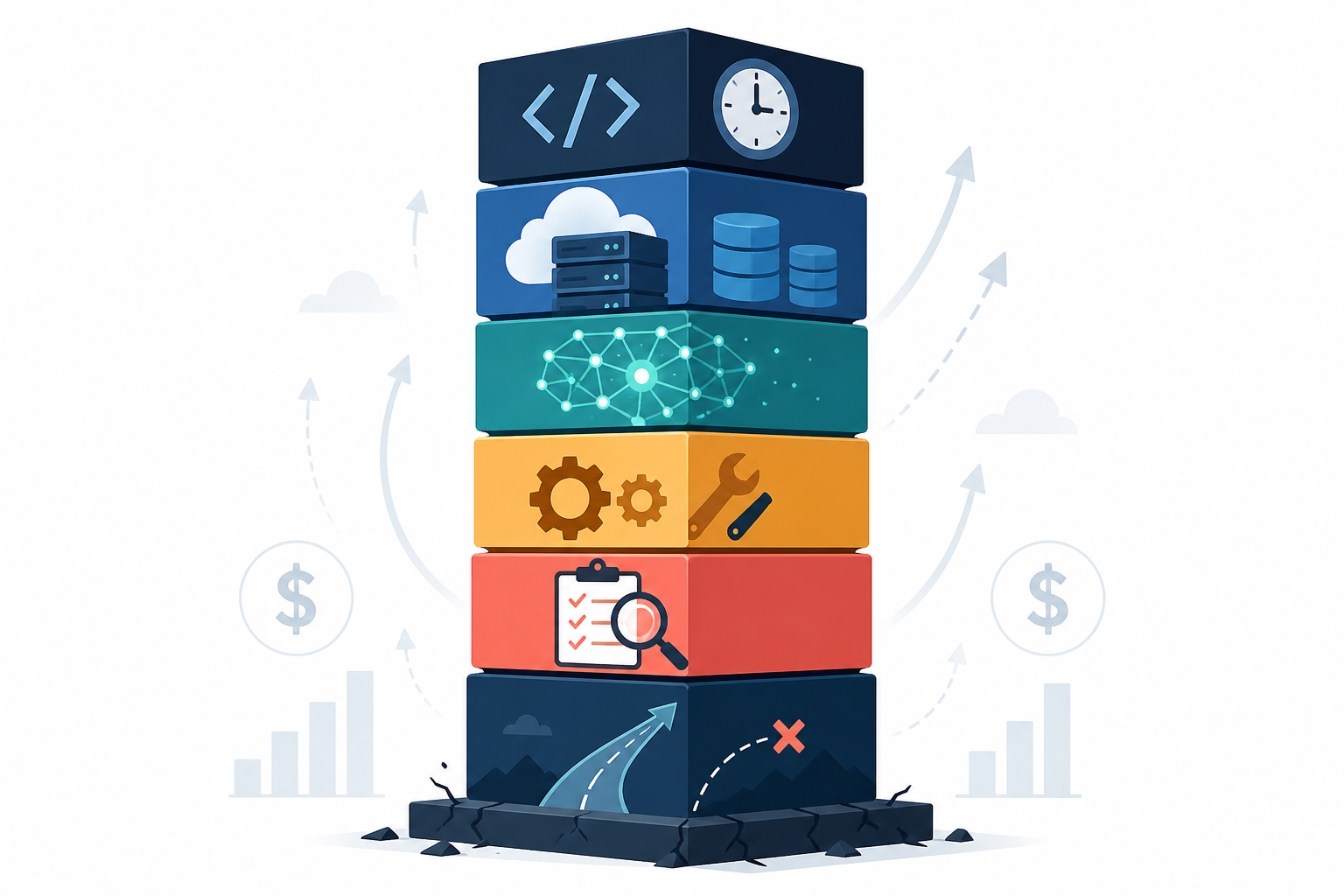
Under these assumptions, an in-house competitor ad tracking tool could require approximately £15,000–£40,000+ in initial development, followed by another 10–20 hours per month in ongoing maintenance once live. That assumes nothing goes seriously wrong.
Treat this as a planning range rather than a formal quote. Your development team or contractor should provide a detailed estimate before you commit to building.
What Do Whitelabel Ad Tracking Platforms Cost?
A whitelabel ad intelligence platform handles much of the infrastructure required for competitor monitoring without requiring your agency to build and maintain it yourself.
Rival Ads is one example I know well, so I will use it for illustration. However, agencies should compare several vendors before committing.
Platforms in this category can monitor advertising activity across Meta, Google Ads, TikTok and LinkedIn without requiring ad account connections. You provide a competitor’s website, and the platform identifies their presence across supported advertising channels before fetching active ads on a regular basis, including creative, copy and landing page links.
Whitelabel Software Pricing for UK Agencies
Most platforms bill in US dollars. UK agencies should account for exchange rate fluctuations and check whether VAT is added at checkout. For UK-registered businesses, VAT may apply depending on the supplier and billing arrangement.
At current indicative rates, $29 per month is approximately £23–£24 before VAT. Confirm pricing directly with each vendor before including it in your agency budget or client retainer.
| Tier | Competitors monitored | Approx. monthly price (USD) | Approx. GBP (ex. VAT) |
|---|---|---|---|
| Starter | Up to 5 | From $29 | ~£23 |
| Growth | Up to 20 | From $79 | ~£62 |
| Agency | Unlimited/custom | From $149+ | ~£117+ |
These are illustrative prices only; plan limits and pricing can change.
Compared with an in-house build, the cost of a whitelabel platform is usually more predictable. In-house costs can rise with every additional platform, client, data requirement or maintenance issue.
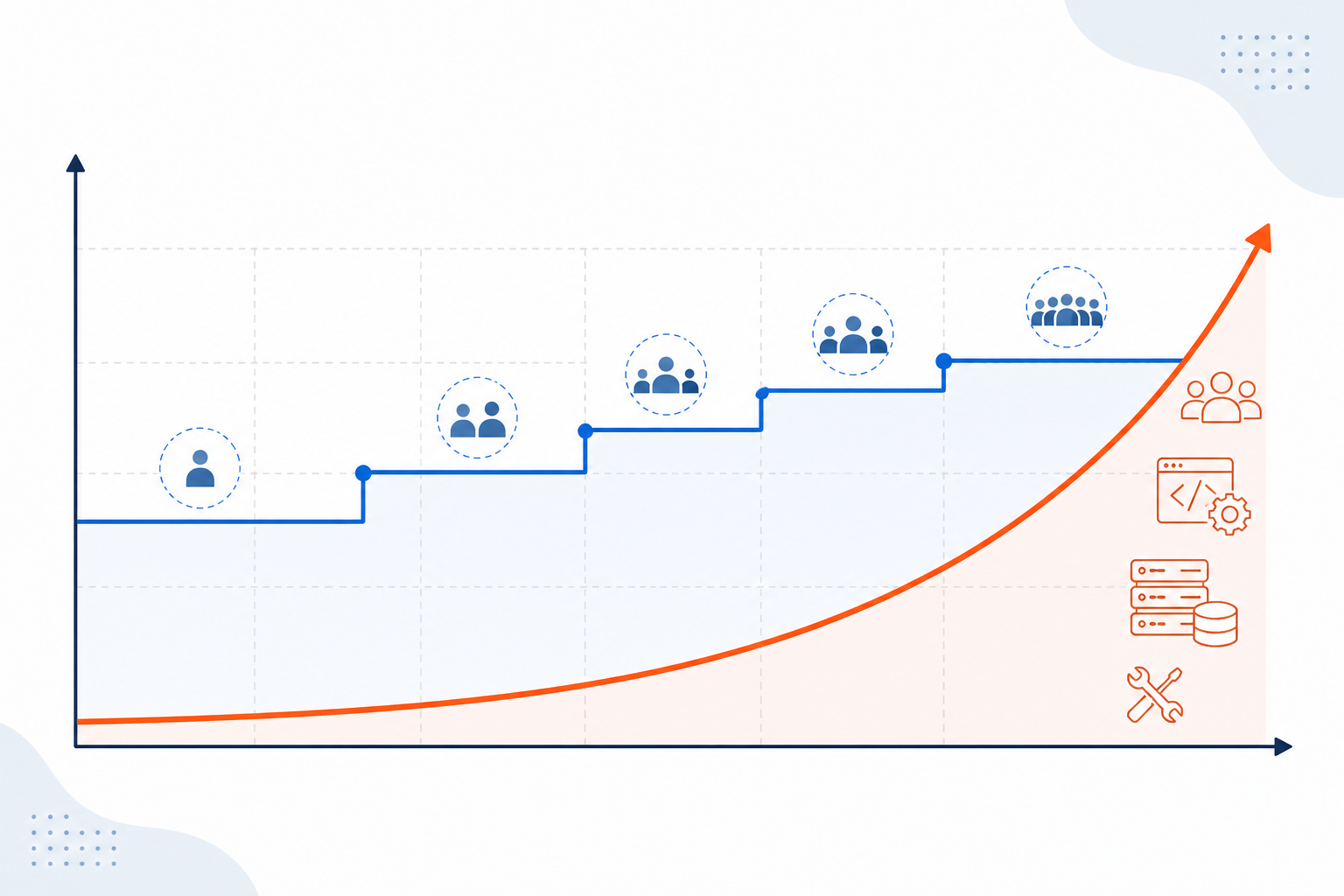
In-House Build vs Whitelabel Platform: Feature Comparison
| Feature | In-house build | Whitelabel platform |
|---|---|---|
| Platforms covered | Built separately for each platform | Meta, Google, TikTok and LinkedIn may be included, depending on the vendor |
| Ad account connections needed | Often required for API access | None in some platforms—typically just a competitor website |
| Creative archiving | Requires a custom storage system | Often built in, with weekly archiving |
| Week-over-week comparisons | Requires custom development | Often included out of the box |
| AI strategic analysis | Requires a separate project or integration | Included on some platforms; check the methodology |
| Team roles and competitor assignment | Requires custom development | Often included |
| White-label branding | Fully controlled by your agency | May include your logo, domain and branding |
| Data export and ownership | Fully controlled by your agency | Varies by vendor; check the contract |
| Monthly cost | £15,000–£40,000+ upfront, plus maintenance | From roughly £23 per month |
The white-label element is particularly valuable for agencies. Clients can see your branding, domain and weekly reports without needing to know which technology powers the service.
This allows you to resell competitor ad intelligence as part of your own agency offering without writing the software yourself. In the interest of transparency, I work adjacent to this space, so treat the specific Rival Ads references as an example rather than an independent audit of every vendor.
What Public Ad Libraries Can and Cannot Tell You
Before comparing build and buy options, it is important to define what competitor ad monitoring can realistically show.
Meta’s Ad Library, Google’s Ads Transparency Center and similar resources provide publicly available creative, copy and approximate activity information. They generally do not provide verified ad spend, precise reach or detailed audience targeting data.
If a tool—whether in-house or whitelabel—says that a competitor has “tripled spend”, that is usually an inference based on visible creative volume or activity frequency, not a verified spend figure.
This can still be a useful signal. Increased creative output may correlate with greater advertising investment, but agencies should set clear expectations with clients rather than presenting an estimate as confirmed data.
Every third-party tool is working within the same public data limitations. No legitimate platform has a back door into Meta’s internal spend data.
In-House Build vs Whitelabel: Time-to-Launch Comparison
Time to launch is especially important if a client is asking for competitor insight this week rather than next quarter. The following estimates assume a standard four-platform build and will vary according to scope, team size and technical requirements.
Building an In-House Tool
- Three to six months to reach a usable MVP covering four platforms reliably
- Potentially longer for a system designed to withstand ongoing platform changes
- An additional 10–20 hours per month for maintenance after launch
Launching with a Whitelabel Platform
- Often live and brandable within a few days, depending on the vendor’s onboarding process
- Weekly email digests and dashboard access available early in the setup process
- Minimal engineering work required from your agency
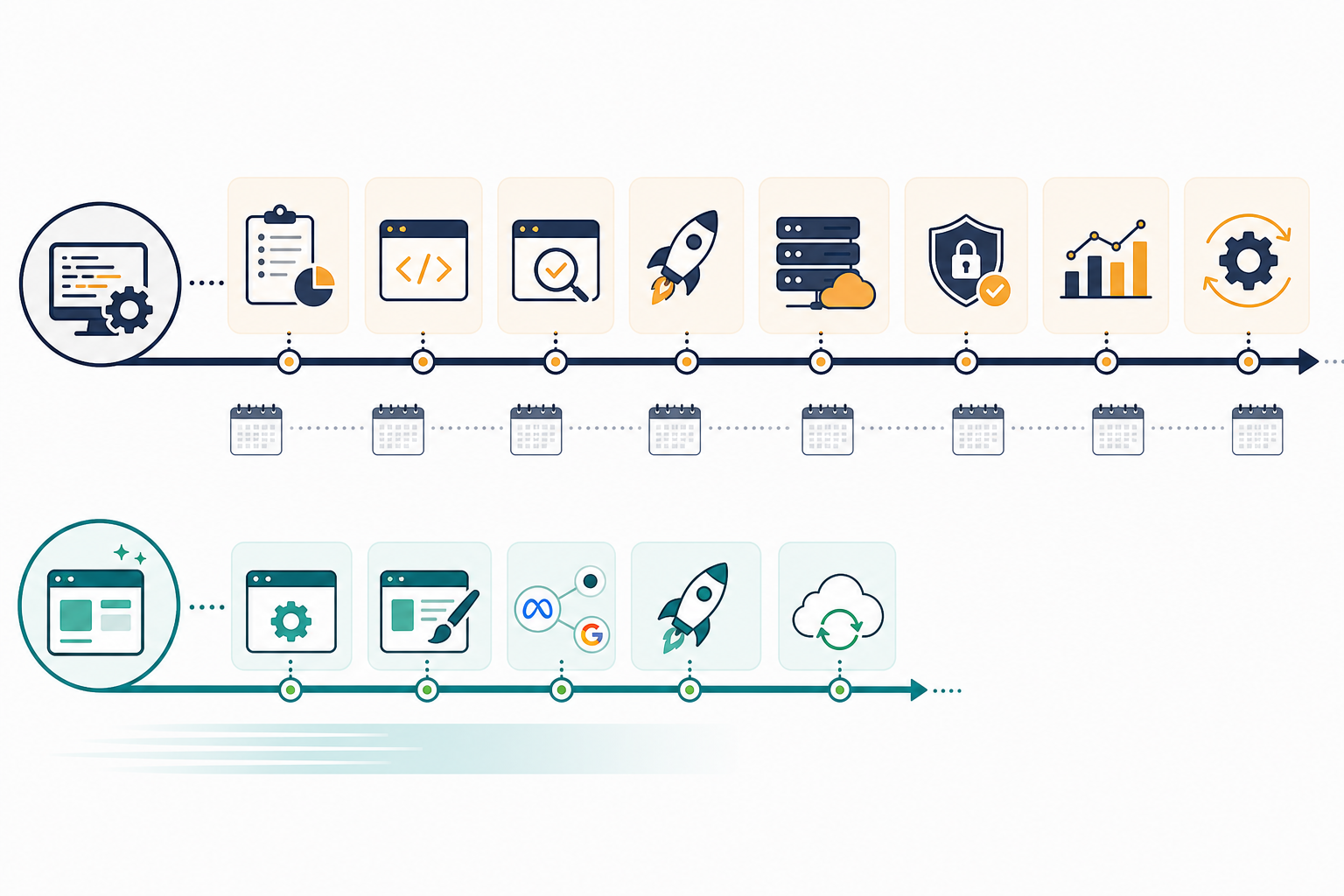
Consider a typical client scenario. A new client signs up and asks for competitor ad monitoring as part of their retainer. If your in-house build is still months away, you may need to delay onboarding, decline the service or manually collect screenshots while your development team works in the background.
With a whitelabel platform, you may be able to provide the client’s first weekly digest during the onboarding window. That speed can make the difference between confidently including competitor intelligence in a proposal and asking the client to wait.
Which Option Fits Your Agency Size?
The right decision depends on your agency’s size, technical resources and commercial model.
Solo and Small Agencies
For agencies with one to five clients, a whitelabel platform is usually the pragmatic choice. Small teams rarely have spare development capacity for data collection and maintenance. Even if you do have access to a developer, assigning them to save approximately £23 per month rarely makes commercial sense.
Mid-Sized Agencies with Growing Retainers
Whitelabel software will generally remain the better option unless ad intelligence is becoming a core, sellable product rather than a feature within broader retainers. Your developers are often better deployed on client campaigns, internal automation and revenue-generating work.
Large Agencies with Dedicated Development Teams
Building in-house can make sense for larger agencies if they plan to resell the technology as a standalone product, require data residency controls that vendors cannot provide or have unusual monitoring requirements.
If those conditions do not apply, licensing a platform may still be cheaper and faster than building and maintaining equivalent functionality internally.
A Simple 12-Month Break-Even Test
Compare the annual cost of a whitelabel platform with what you would pay a developer—internal or contracted—to build and maintain an equivalent system over 12 months.
For most agencies, even a mid-tier whitelabel plan will cost several times less once realistic maintenance hours are included. The exact difference depends on UK developer rates, the number of platforms monitored and the number of competitors you need to track.
What to Look for in a Whitelabel Ad Spy Tool
If buying appears to be the better option, compare platforms carefully. Look for the following capabilities before signing up:
- No ad account connections required. You should be able to begin monitoring with a competitor’s website rather than connecting every client account.
- Coverage across major platforms. Meta, Google Ads, TikTok and LinkedIn in one dashboard can reduce manual work and fragmented reporting.
- Real creative archiving. Look for actual ad images, video, copy and working landing page links—not only impression estimates or vague summaries.
- Week-over-week comparisons. Change detection should show what is new, what has stopped and what is becoming more visible.
- Clearly explained AI analysis. The vendor should explain what its AI can and cannot infer from public data, without implying access to verified spend or targeting information.
- Team collaboration features. User roles and competitor assignment become important when several account managers work across client accounts.
- Genuine white-label capability. Check whether the platform supports your logo, domain, client-facing reports and brand identity.
- Data export and ownership terms. Ask whether you can export historical creative and reports, and review the retention policy before committing.
- Terms-of-service considerations. Ask how the vendor sources advertising data and whether its approach is designed to comply with the relevant platform terms. This can be a complex area, so it deserves a direct question.
- Support and reliability commitments. Find out how the vendor responds when a platform changes its structure and whether service levels or response times are documented.
Rival Ads is built around many of these requirements, which is why it is worth including as a reference point. However, compare it with two or three alternatives before making a decision.
FAQ: Whitelabel vs In-House Competitor Ad Monitoring
Should my agency build or buy an ad tracking tool?
For most agencies, buying is the more practical option unless competitive intelligence software is becoming the main product. Building requires ongoing engineering investment to keep pace with advertising platform changes. A whitelabel tool can provide comparable monitoring capability for a fraction of the cost, with less maintenance.
Building may still be appropriate for agencies with unusual data requirements, strict data ownership needs or plans to resell the technology itself.
What does it cost to build competitor monitoring in-house?
A typical four-platform MVP covering Meta, Google, TikTok and LinkedIn, with basic archiving and quality assurance, may require £15,000–£40,000+ in initial development. Ongoing maintenance adds further monthly costs as platforms change their structures.
This estimate may exclude advanced change detection, reporting workflows and AI analysis, all of which add complexity and cost. Ask your own development team for an accurate project estimate.
Is whitelabel software worth it for small agencies?
Yes. Small agencies often benefit most because they rarely have spare development capacity to build and maintain competitor ad monitoring infrastructure. A whitelabel plan starting at approximately £23 per month, plus VAT where applicable, can help you offer branded competitor ad intelligence quickly without a large upfront investment.
Can whitelabel tools accurately show competitor ad spend?
No third-party tool can show verified competitor ad spend from public ad libraries. Whitelabel and in-house systems can show visible creative activity and frequency, which may suggest changes in investment but does not confirm an exact spend figure.
Be careful to frame these insights as indicators or estimates when reporting to clients.
What happens if I switch whitelabel vendors later?
It depends on the vendor’s data export and retention policies. Some platforms allow you to export historical creative and reports, while others may not. If portability matters to your agency, make export access and data ownership non-negotiable requirements before signing up.
Can I mark up a whitelabel tool when reselling it to clients?
Many agencies include the platform cost within a broader retainer rather than itemising it. They may pay approximately £23–£120 per month, depending on the plan, and charge clients for competitor intelligence reporting as part of a wider service package.
Your pricing and margin will depend on your positioning, reporting workload and the other services included in the retainer.
Whitelabel vs In-House: The Bottom Line for UK Agencies
The real choice is between spending time patching data collection systems and using competitor insights to win and retain clients.
For most UK agencies, a whitelabel competitor ad tracking platform offers the faster and more predictable route. It can provide branded monitoring, creative archiving and regular reporting without the £15,000–£40,000+ upfront cost of an in-house build.
Building in-house can still be the right decision if you need complete ownership, have unusual technical requirements or plan to turn the software into a standalone product.
If you are still unsure, get a quote from your development team for a four-platform build and compare it with 12 months of a whitelabel plan at your expected tier. If the difference is as wide as it typically is, run a small pilot with one client and several competitors before rolling the platform out across your agency. This is a lower-risk way to test the business case than committing immediately to either option.